
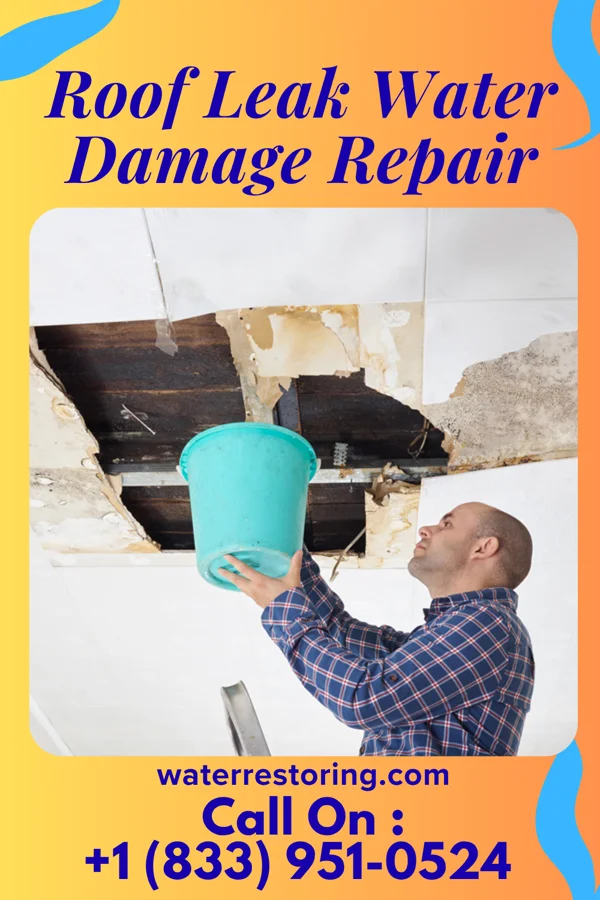
When Fairbanks Properties Need Roof Leak Repair
Water damage in Fairbanks usually starts with Fairbanks experiences extreme cold and fluctuating temperatures, which can cause roofing materials to expand and contract, leading to cracks and leaks. The region's long, harsh winters with heavy snowfall and frequent thawing cycles increase the risk of ice dams and water infiltration.. A close second is Sudden temperature changes and strong seasonal winds can exacerbate roof damage, especially in older or poorly maintained structures. The dry summer months can also lead to rapid roof deterioration if moisture is not properly managed.. Professional restoration follows the IICRC protocol on every job. Assess. Extract. Dry. Sanitize. Document.
The unique climate of Fairbanks, with its extreme cold and frequent temperature swings, leads to specific roofing challenges such as ice dams, thermal expansion, and condensation buildup in attics and crawl spaces.
Water damage in Fairbanks follows a few local patterns. Fairbanks experiences extreme cold and fluctuating temperatures, which can cause roofing materials to expand and contract, leading to cracks and leaks. The region's long, harsh winters with heavy snowfall and frequent thawing cycles increase the risk of ice dams and water infiltration. accounts for the bulk of our calls. The unique climate of Fairbanks, with its extreme cold and frequent temperature swings, leads to specific roofing challenges such as ice dams, thermal expansion, and condensation buildup in attics and crawl spaces. Mold growth in Fairbanks can occur within 48 hours of water exposure, especially in poorly ventilated areas. This can lead to secondary damage such as wood rot, weakened structural integrity, and health risks for residents.
For public guidance on the health effects of mold after prolonged water exposure, see the EPA mold and health page.